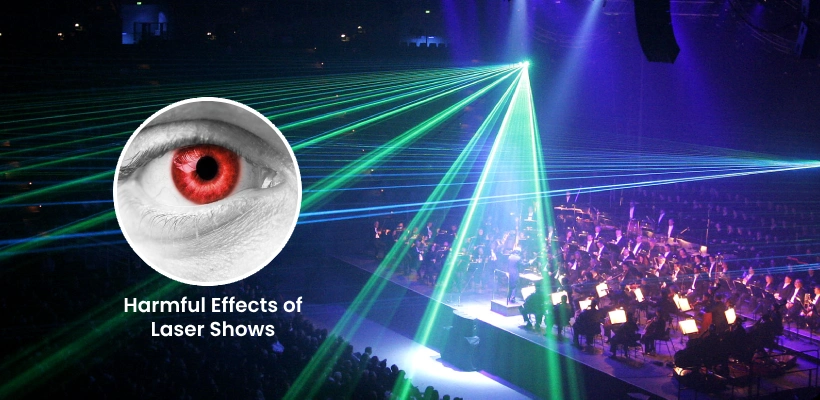
Laser shows have become a popular attraction at concerts, festivals, weddings, clubs, religious events, and large celebrations. Their vibrant colors, sharp beams, and dramatic visual effects create memorable experiences. However, what most people don’t realize is that improper exposure to laser beams can pose serious risks to eye health.
Research increasingly highlights concerns around laser eye damage, especially from high-powered or poorly regulated lasers used in public shows. The intensity of laser beams, even when exposure lasts for just a few seconds, can affect delicate eye structures. Understanding laser show risks and practicing eye safety during laser shows is essential to protect both short-term vision and long-term eye health.
Understanding Laser Eye Damage
Lasers emit concentrated beams of light that can carry significant energy. When this energy enters the eye, it gets focused by the cornea and lens directly onto the retina. This focusing effect can amplify the laser’s intensity, increasing the risk of injury.
Laser-induced eye injuries can occur from direct exposure, reflected beams, or accidental alignment with a person’s eye level. High-powered lasers can cause burns, tissue damage, or chemical changes in retinal cells. In severe cases, retinal damage from lasers may lead to permanent vision impairment or blindness.
It is important to note that damage is not always immediate or painful. Some injuries develop silently and are noticed only when vision problems begin days or weeks later.
Common Symptoms of Laser-Induced Eye Damage
Recognizing the symptoms of laser eye damage early can make a crucial difference in treatment outcomes. Common warning signs include:
- Sudden blurring or dimming of vision, which may worsen over time.
- Dark spots, flashes, or floaters in the visual field
- Difficulty focusing on objects
- Eye pain, strain, or headaches after laser exposure
- Sensitivity to light
- Reduced color perception
These are often the early signs of retinal injury, and ignoring them may increase the risk of permanent damage. Even mild symptoms after a laser show should not be dismissed.
How Laser Shows Affect Your Eyes
Laser shows typically use scanning beams that move rapidly to create visual patterns. When properly managed, these beams are kept above audience eye level. However, problems arise when:
- Lasers are poorly calibrated
- Safety standards are ignored
- Beams are projected directly into the crowd
- Reflections from mirrors or shiny surfaces redirect beams unpredictably
In such situations, even brief exposure can cause laser light damage to eyes. The retina is particularly vulnerable because it cannot regenerate easily after injury.
Are Laser Shows Safe?
The safety of laser shows depends heavily on regulation, equipment quality, and operator expertise. Professionally managed shows that follow international laser safety standards are generally safer. However, unauthorized setups, handheld laser misuse, and low-cost equipment significantly increase risk.
People often ask, is laser light harmful for eyes? The answer is yes—especially when safety protocols are not followed. Prolonged or repeated exposure, even at moderate intensity, can lead to cumulative damage.
Who Is at Greater Risk?
Certain individuals are more vulnerable to laser light harmful effects, including:
- Children, due to developing visual systems
- Individuals with pre-existing eye conditions
- People with high light sensitivity
- Those seated or standing close to laser sources
- Event staff exposed repeatedly over long durations
Children may not react quickly enough to look away from bright laser beams, increasing their risk of injury.
How to Protect Your Eyes at Laser Shows
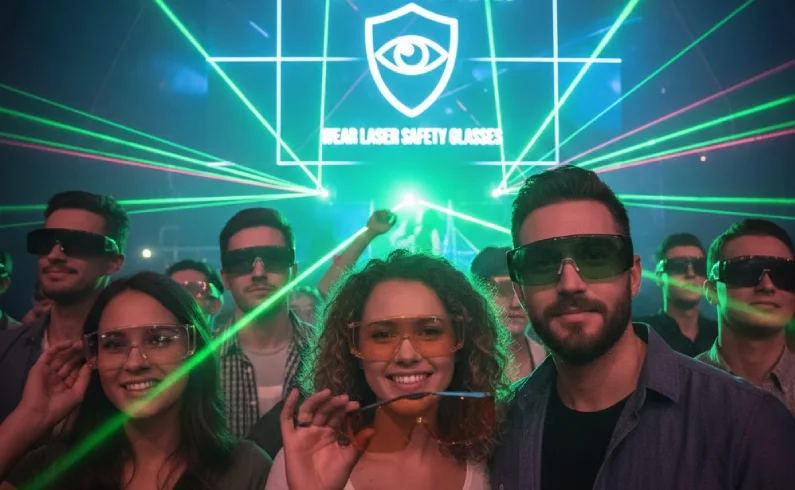
Preventing injury is far easier than treating it later. To reduce the risk of laser light eye damage, follow these precautions:
- Avoid staring directly at laser beams
- Maintain a safe distance from laser sources
- Do not allow children to face laser devices
- Avoid events with handheld or uncontrolled lasers
- Leave the area immediately if lasers are aimed at eye level
Practicing laser safety, using proper eye protection during laser shows, and being aware of surroundings can significantly prevent laser eye damage.
When to Seek Medical Attention
You should seek immediate medical help if you notice:
- Sudden loss or distortion of vision
- Persistent eye pain after exposure
- Appearance of dark spots or blind areas
- Vision not improving within a few hours
Prompt evaluation reduces the chances of lasting damage and improves recovery outcomes.
Consult with an Eye Specialist
If you suspect laser-induced eye damage or want to ensure your eyes remain healthy, consult an experienced eye specialist in Mumbai. Dr Seema Behl, one of the best eye specialists in Mumbai and founder of Smart Vision Eye Centre, has over 25 years of experience providing comprehensive and affordable eye care.With her state-of-the-art facility in Andheri, Dr Seema Behl is dedicated to ensuring every patient’s right to clear vision and a productive life. Book an appointment today at Smart Vision Eye Centre to safeguard your eyesight. Your vision is priceless—protect it with the best care.
Frequently Asked Questions
Q. What is laser eye damage?
Laser eye damage refers to injury caused when high-intensity laser light enters the eye, potentially burning or damaging the retina and other ocular tissues.
Q: Can laser shows cause permanent blindness?
Yes. Severe laser induced eye injuries can cause permanent vision loss, particularly when the retina is affected.
Q: How can I protect my eyes from laser damage?
Avoid direct viewing, follow safety guidelines, and stay away from laser sources at eye level.
Q. What are the early symptoms of laser-induced eye injury?
Blurred vision, light sensitivity, dark spots, and difficulty focusing are common early signs.
Q. How long does recovery take from laser eye damage?
Recovery depends on severity. Mild injuries may improve over weeks, while severe retinal damage can be permanent.
Q. Are children more at risk from laser shows?
Yes. Children have more sensitive eyes and slower reflexes, making them more susceptible.
Q. What should I do if I suspect laser eye damage?
Get immediate evaluation from an eye specialist and avoid further light exposure.
Q. Can protective eyewear block all laser show damage?
Protective eyewear can reduce risk but may not block all wavelengths or intensities used in shows.